
Why Does My Child Want to Reread the Same Book? (A Teacher Explains Why It’s a Good Thing)
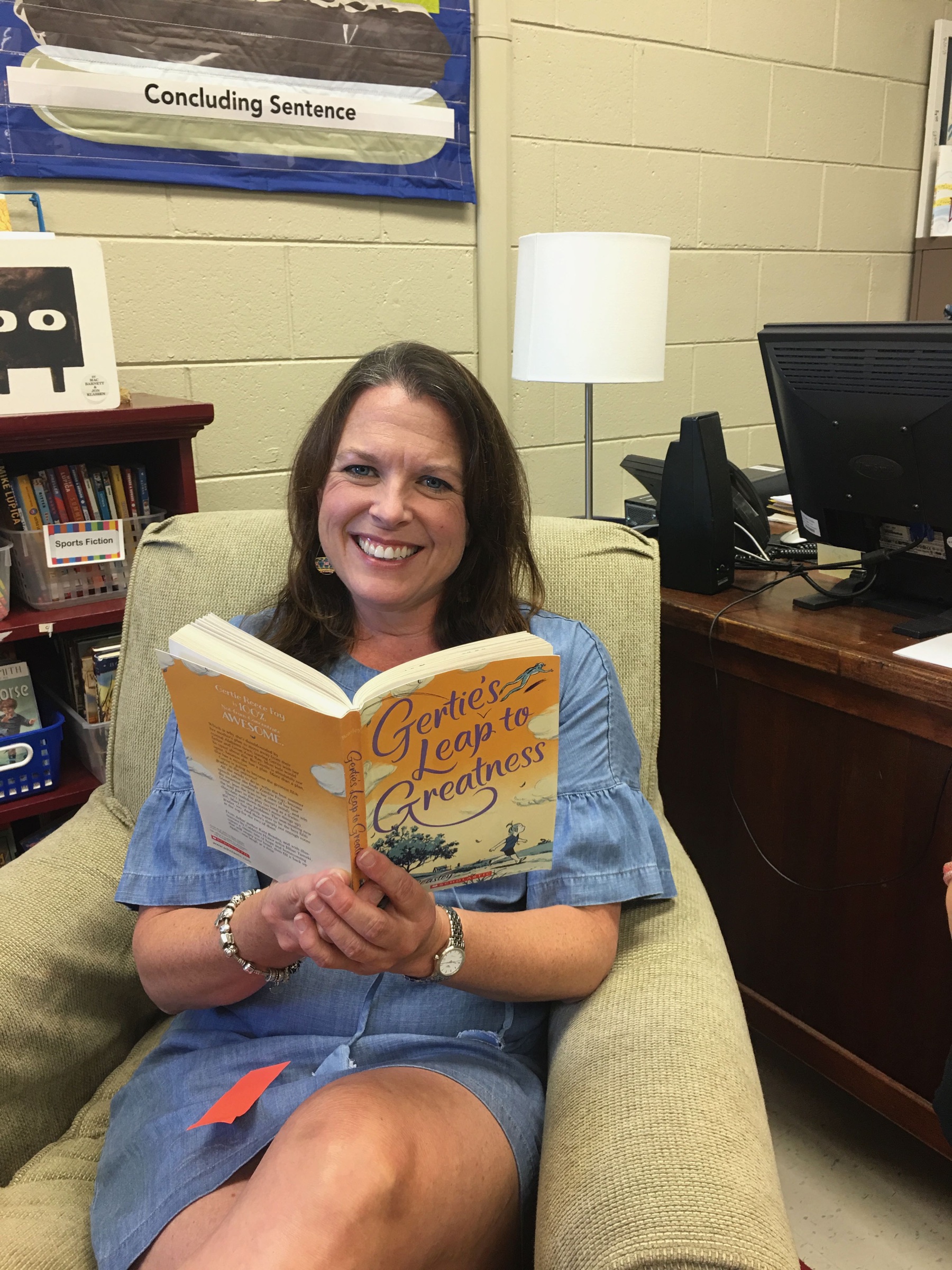
Raise your hand if you could recite a picture book in your sleep because your child has asked for it every night this week.
If your child keeps pulling out that one again, you are in very good company. I’m in my 30th year in education, and here’s what I’ve learned: a kid who wants to reread the same book is not stuck. They’re doing exactly what strong readers do.
The first time through a book is for the story. Every read after that is for the skills. Rereading builds reading fluency, confidence and comprehension, and kids happily do it because it feels like fun, not work.
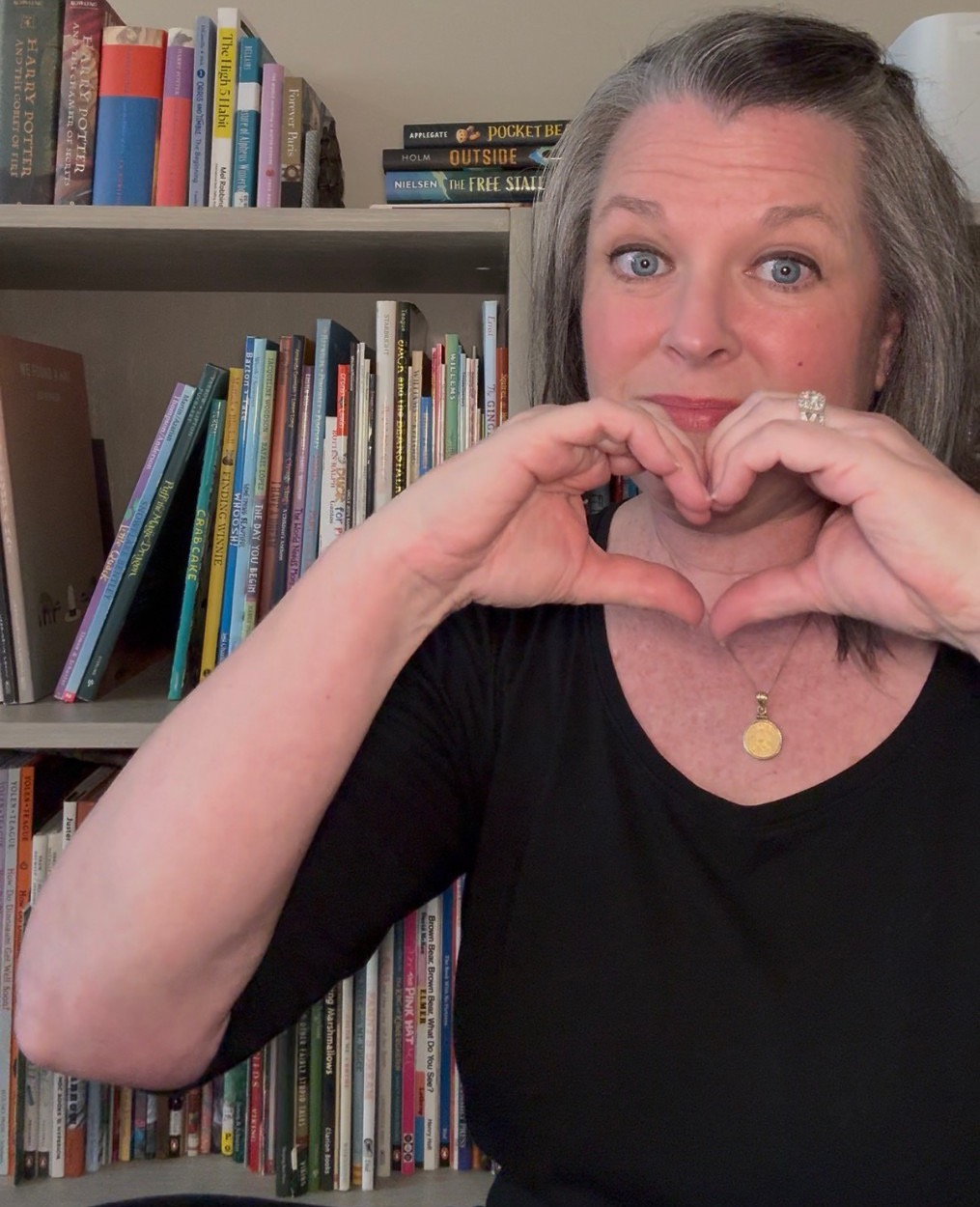
Why do kids want to read the same book over and over?
Familiar feels safe. They know what’s coming, they get to join in, and they get to feel like the expert. Oh my goodness, the joy on a kid’s face when they know the next line!
I used to read The Little Old Lady Who Was Not Afraid of Anything to my students even up into third and fourth grade. Why? Two shoes go clomp, clomp. One pair of pants goes wiggle, wiggle. They love the rhyme and they chime in every single time. Nobody in that room was too old for it.
What repeated reading actually does for your reader
- Builds fluency. Familiar words come out smoothly and with expression, the way a confident reader sounds. (Fluency is a big deal because it frees up brain space for understanding. Reading Rockets has a great overview.)
- Grows confidence. Reluctant readers get a win. They read the whole page without stumbling, and that feeling makes them want the next book.
- Deepens comprehension. Once the plot isn’t a surprise, kids start noticing the details, the feelings, and the author’s choices.
- Boosts vocabulary. They meet the same rich words again and again until the words stick.
- Makes reading joyful. A book you can read with your whole voice is simply more fun.
Why this matters most for beginning readers (grades 1-3)
When children are just learning to read, they read to decode first and hear the story second. All their brainpower goes to sounding out the words, so there’s hardly any left for what the story is actually about. You can’t do in-depth thinking when you’re reading something for the first time and thinking about decoding.
Rereading changes that. The more fluent they get, the less they have to think about decoding, and the more they get to think about the story. That’s when a book finally starts to be fun.
This is exactly why, in my classroom, we send home a decodable story to read every night. It’s also why, when my students read a chapter independently for homework, we read that chapter aloud in class the next day. Giving your child the chance to reread a page, a chapter, or a whole book is crucial to actually enjoying the story.
It’s one reason audiobooks matter so much for young readers, too. I wrote all about that here: Why Audiobooks Count as Reading. But I digress.
The most important takeaway from this whole post is confidence. Repeated reading is not boring to a child. It gets more fun with every reading. That’s why Reader’s Theater is such a hit with kids. In my classroom, by the third time they practice a script, they can add expression, big emotion, and maybe even an accent or dialect for their character. That’s what sparks the joy of reading, even while they’re still learning to read.
How I use rereading in my classroom
The secret is that we change the job every time. Read it once for the story. Read it again to hunt for a favorite line. Read it a third time with different voices. By the third read, my students are doing real work and they think they’re just having fun.
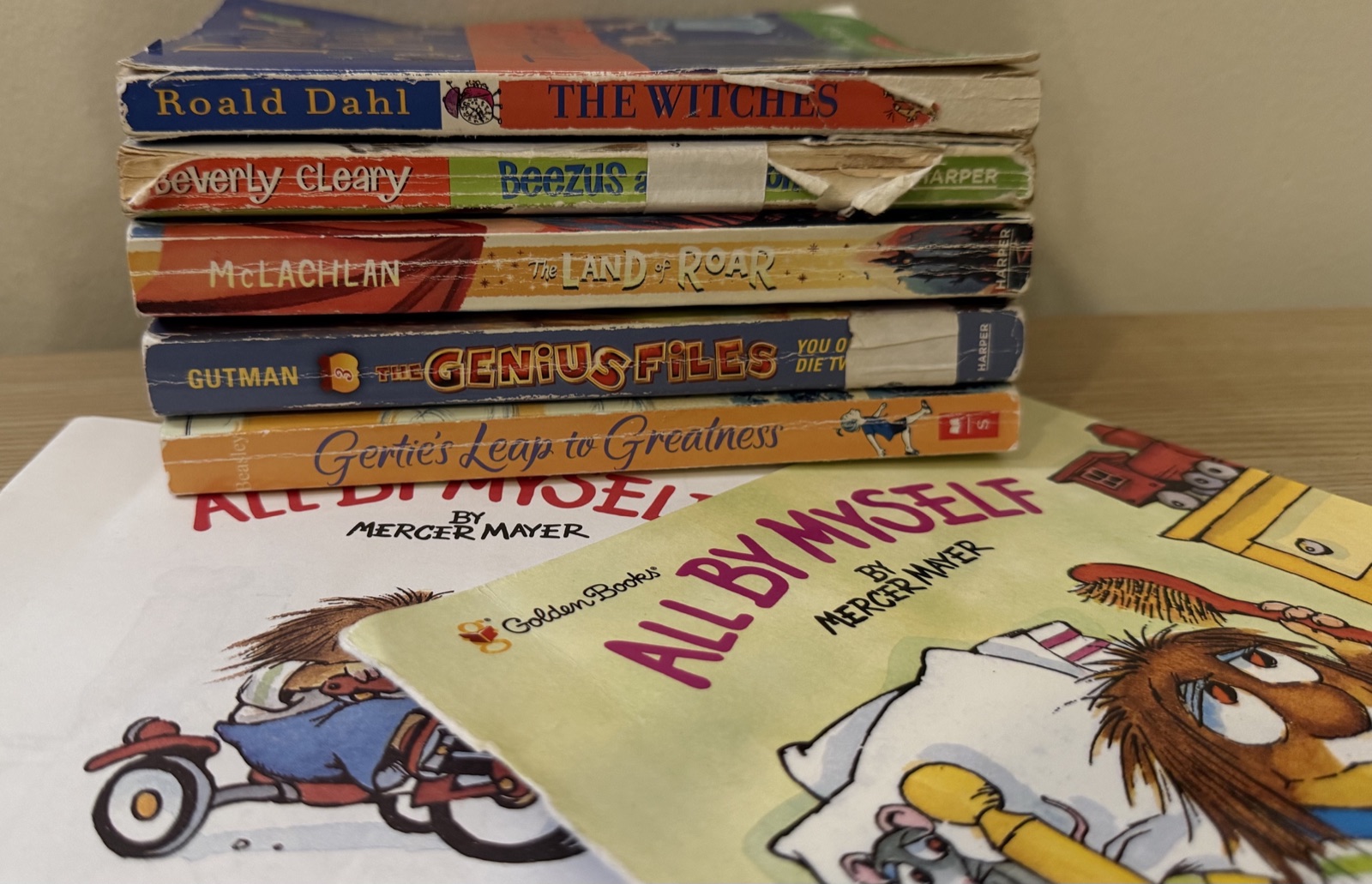
This is also how we build text evidence, which we start all the way back in second and third grade. On the second read, kids go back into the book and find the exact line that proves their answer. You can’t do that on a first read, because on a first read you’re just trying to find out what happens!
And then there’s Reader’s Theater. Same script, over and over, and not one child complains, because every run-through is a rehearsal for the show. Sneaky? Maybe a little. Effective? Absolutely.
5 easy ways to make rereading count at home
No worksheet needed. Give each reread a tiny mission:
- Let them choose. Yes, that one again.
- Trade pages. You read a page, they read a page. Swap next time.
- Hunt for something. A funny word, a favorite line, or a feeling.
- Do the voices. Give every character a voice. Silly is allowed.
- Do something with it. Read Thunder Cake, then actually bake it. The recipe is in the book!
If you homeschool, this absolutely counts as real reading practice. Rereading a book you love is real reading practice, and it fits beautifully into the days when the plan feels heavy. (That’s the beauty of homeschooling: you get to keep what works.)
Should we still read new books?
Yes, and you can do both. Think of rereads as comfort food and new books as an adventure. A kid who’s confident with the old favorites is usually braver about trying the next one.
When rereading might be a signal to look a little closer
Most of the time, rereading is just a happy habit. But if your child only wants books they’ve memorized, guesses at words from the pictures, or melts down when it’s a brand new page, it’s worth paying attention. That doesn’t mean you did anything wrong! It’s very common in bright kids, and it can be addressed. I wrote about exactly that here: My Child Is Smart, So Why Is Reading So Hard?
Books my students (and I) love to reread
This post has affiliate links. If you buy through my Bookshop.org shop, I earn a small commission at no extra cost to you.
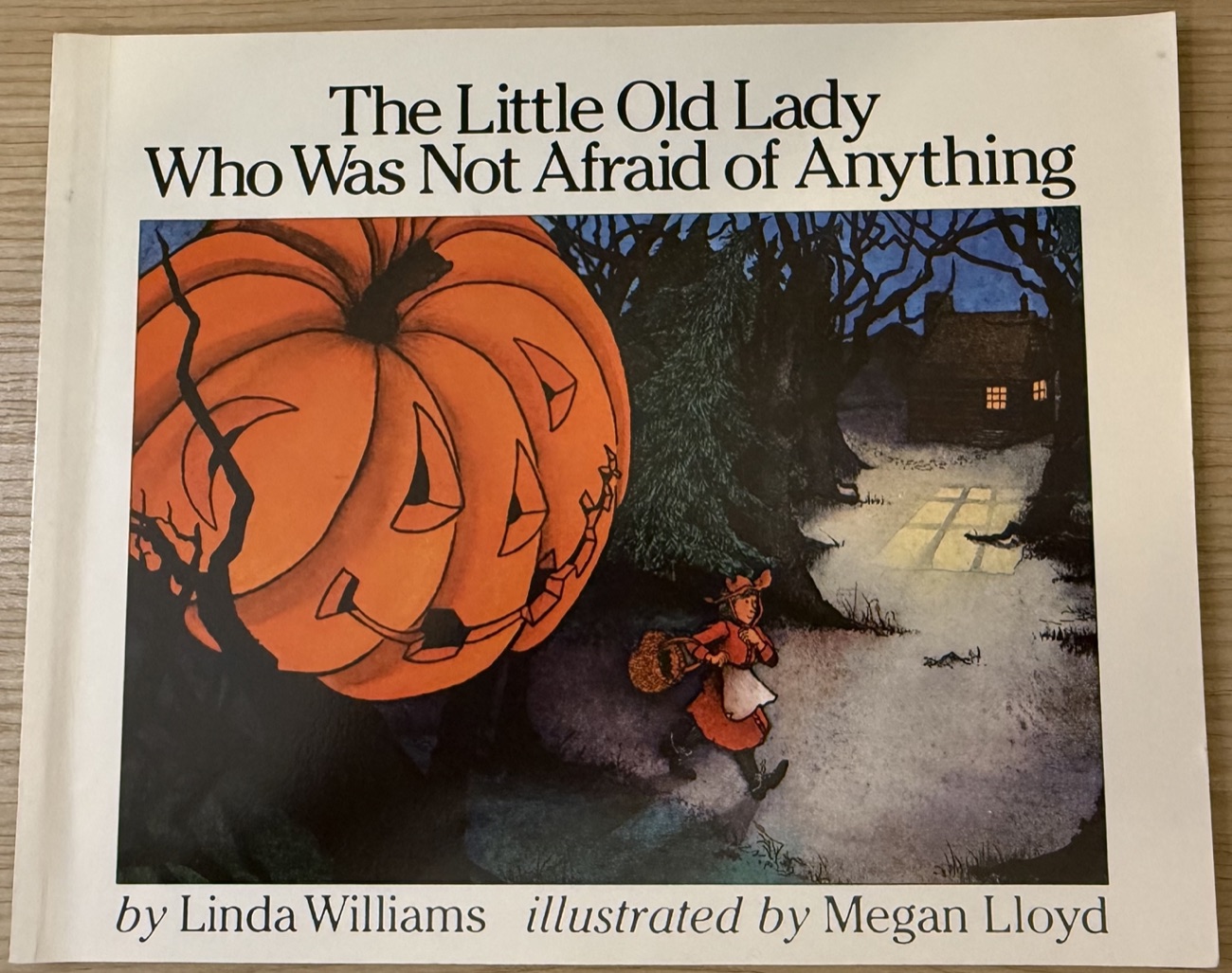 The Little Old Lady Who Was Not Afraid of Anything
Linda Williams · Grades K-4
Rhyme + sound effects kids chime in on.
Get it on Bookshop.org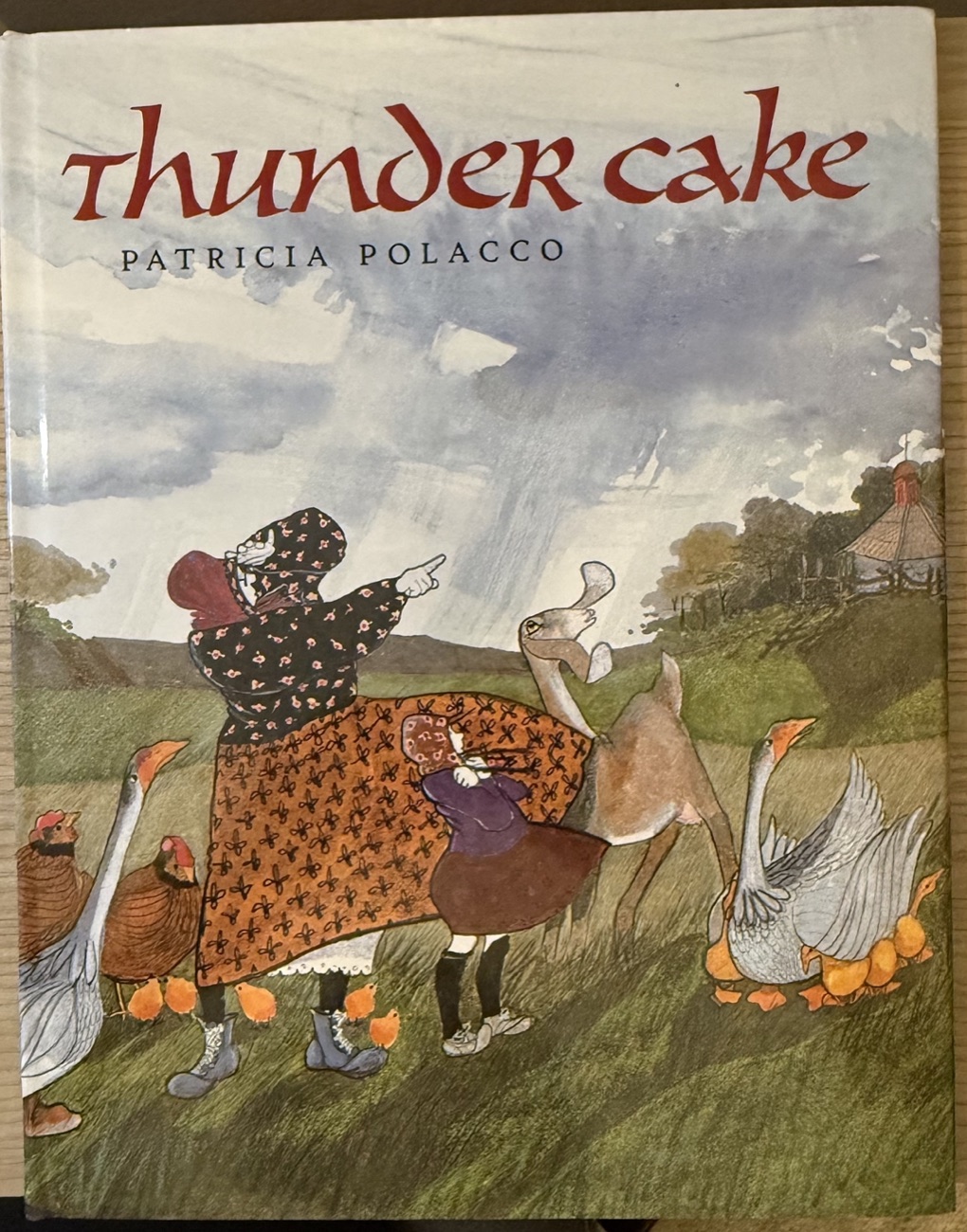 Thunder Cake
Patricia Polacco · Grades K-4
Read it, then bake the cake. Recipe inside!
Get it on Bookshop.org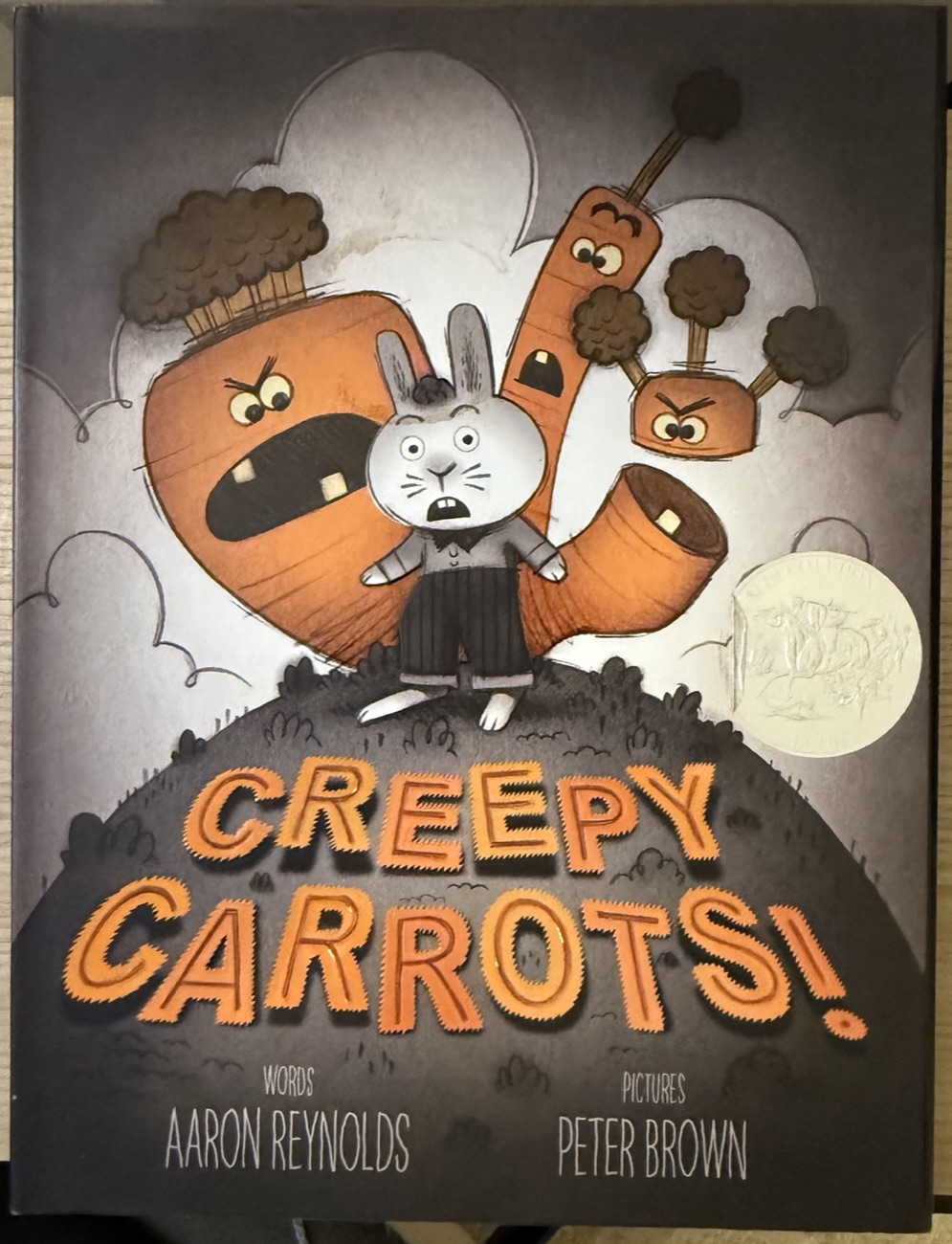 Creepy Carrots!
Aaron Reynolds & Peter Brown · Grades K-4
Laugh-out-loud, not scary. Kids quote it.
Get it on Bookshop.org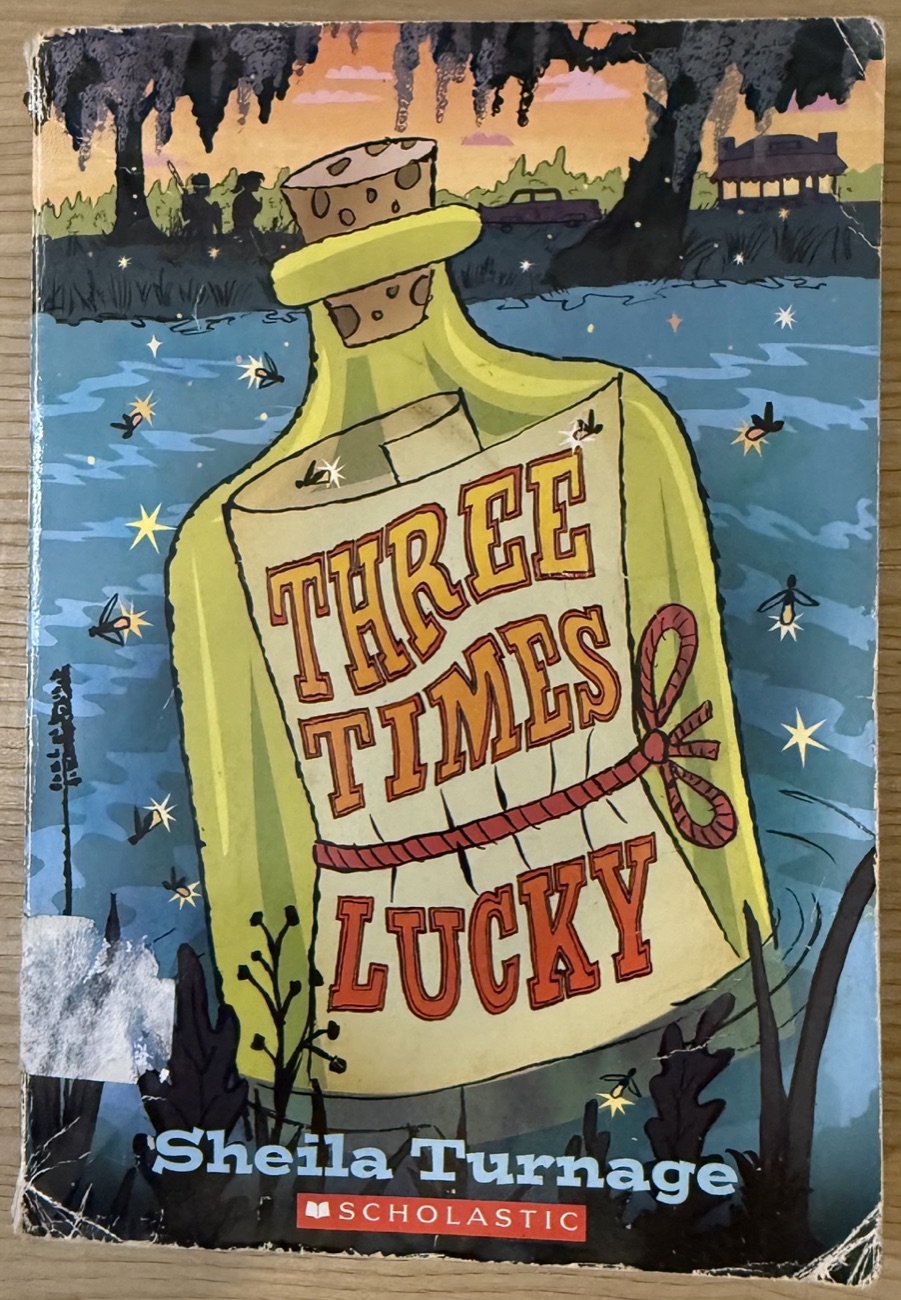 Three Times Lucky
Sheila Turnage · Grades 3-8
A mystery so loved my copy is falling apart.
Get it on Bookshop.orgReader’s Theater: rereading in disguise
If you want a ready-made way to reread together, my Reader’s Theater scripts turn favorite stories into a show the whole family or co-op can perform. The kids will happily read their parts again and again, and you’ll hear their fluency grow. I’m especially loving the holiday ones right now. No pressure, they’re there if you want them.
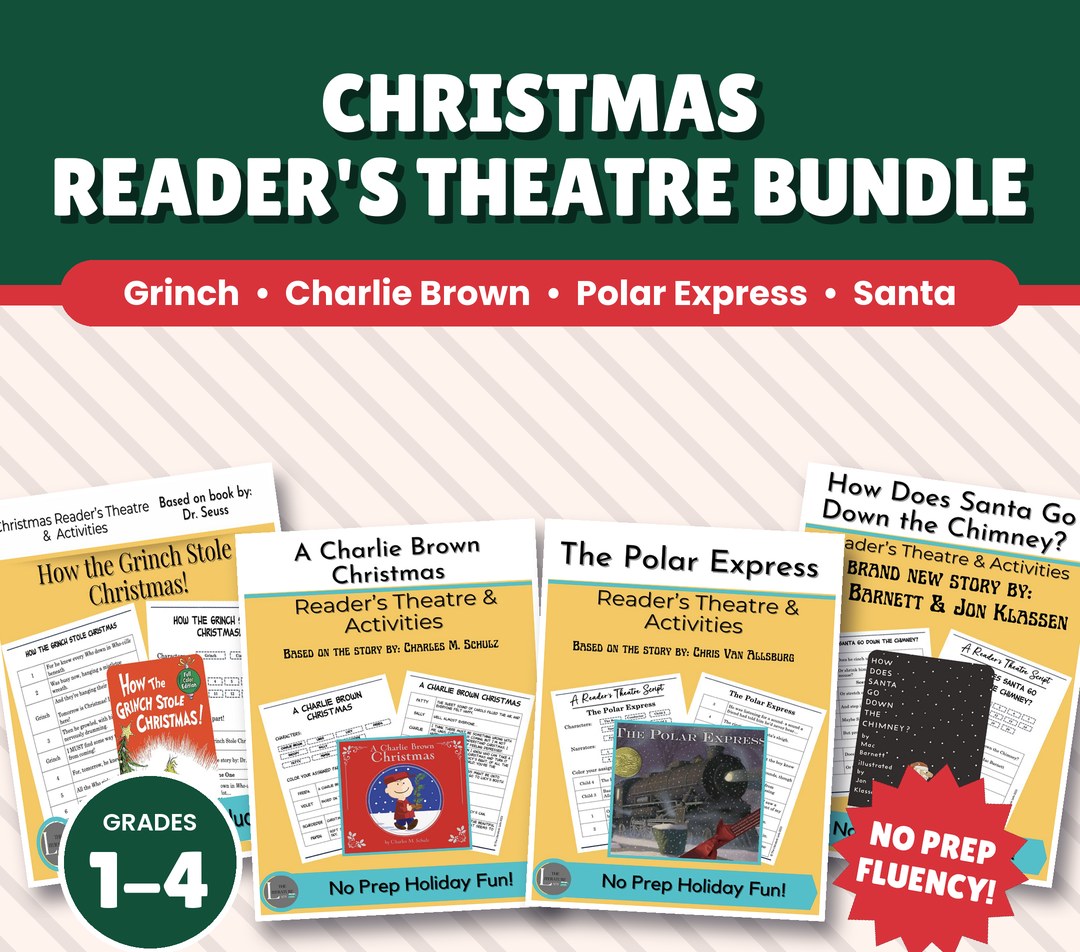
Scripts for favorite holiday stories, perfect for rereading together. Great for families, co-ops and classrooms.
See it on TeacherStoreRereading FAQ
Is it bad if my child only wants to reread the same book?
Usually, no. It’s a normal and healthy way to build fluency and confidence. Keep an eye out for the signs I listed above, and mix in new books when your child feels ready.
How many times should my child reread a book?
There’s no magic number. Let their interest lead. When it’s getting smooth and they’re having fun, you’ll know. When the book starts to feel old, give it a rest and bring it back later.
Does rereading count as reading for homeschool?
Yes, it counts as real reading practice! Rereading builds fluency, vocabulary and comprehension. Add a tiny mission each time (find a favorite line, do the voices) and it counts even more.
What are the best books to reread with kids?
Books with rhythm, rhyme or a strong story voice, like The Little Old Lady Who Was Not Afraid of Anything, Thunder Cake and Creepy Carrots. For older readers, a mystery like Three Times Lucky is one kids love to come back to.
The big takeaway
Your child isn’t wasting time. When they reread, they’re building the skills that make them strong, confident readers. So the next time you hear, “Can we read it again?” you can smile, because you know why it matters. And then, yes, grab a snack and get comfy.
I’m proud of you. You’re doing the hard work, and your kids will love you for it.
Sources
- National Reading Panel, Report of the National Reading Panel: Teaching Children to Read (NIH Pub. No. 00-4769), NICHD, April 2000. nichd.nih.gov/research/supported/nrp
- Foorman, B., et al., Foundational Skills to Support Reading for Understanding in Kindergarten Through 3rd Grade (What Works Clearinghouse practice guide), Institute of Education Sciences, July 2016 (rev. Dec. 2019). ies.ed.gov/ncee/wwc/PracticeGuide/21
- LaBerge, D., & Samuels, S. J., “Toward a theory of automatic information processing in reading,” Cognitive Psychology, 6(2), 1974. Reading Rockets listing
- Classroom practices and observations in this post are Kim’s own experience.
Kim
Kim Baust, M.Ed., is The Literature Lady and the founder of YSA Homeroom by The Young Scholar Academy, a small-group online learning program for grades 1-8.